
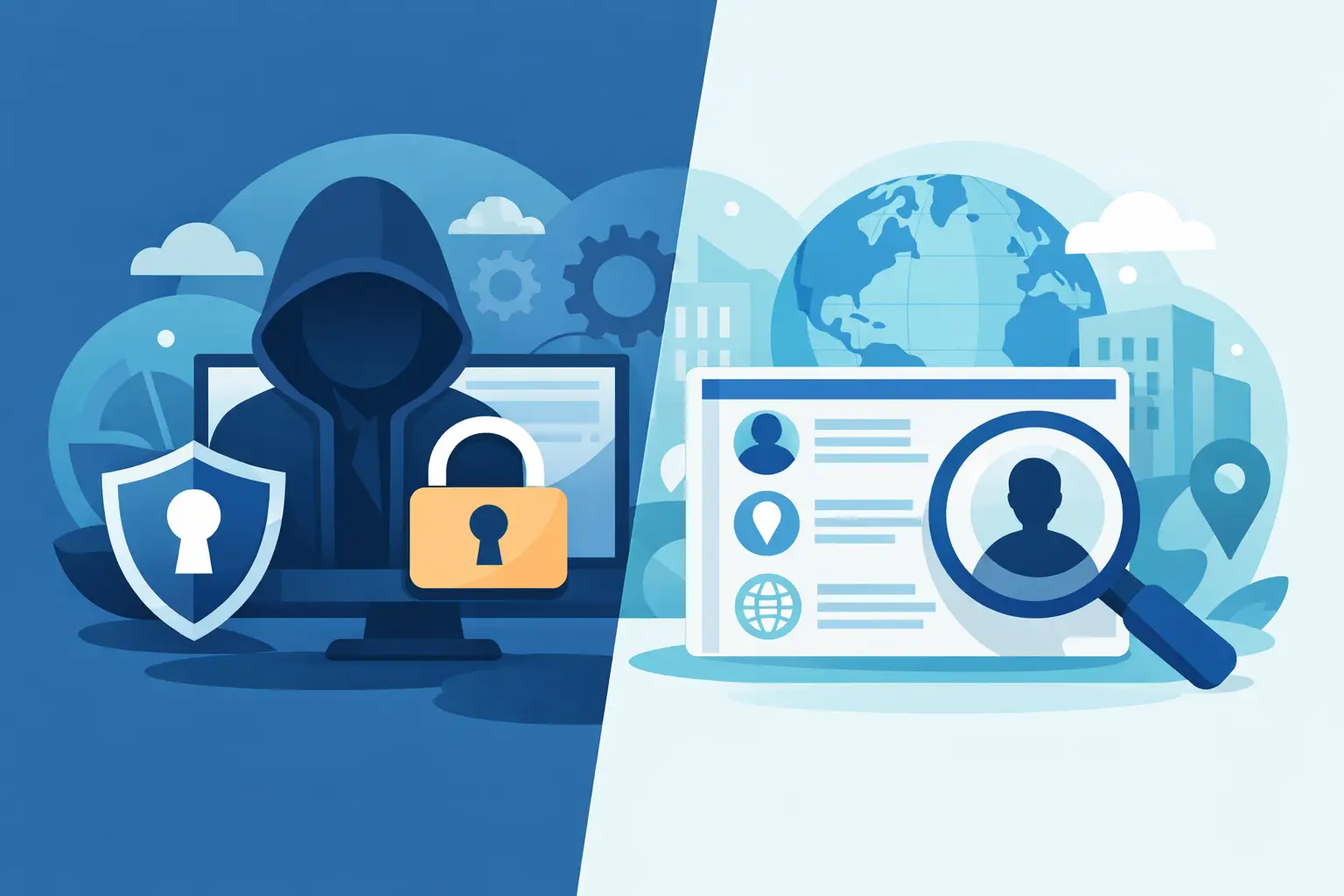
The first time you register a domain, one small checkbox can have bigger consequences than most site owners expect. The choice between domain privacy vs public WHOIS affects how much of your contact information is visible, how much spam you may receive, and how exposed your domain ownership details are to anyone who looks them up.
For a small business, freelancer, or first-time site owner, this is not just a technical setting. It is a practical decision about privacy, trust, and how you want your website managed from day one. If you are trying to get online quickly without creating extra problems later, it helps to know what this setting really does.
What public WHOIS actually means
WHOIS is the public record attached to a domain name registration. Historically, it could display details such as the registrant’s name, email address, phone number, and mailing address. That made domain ownership more transparent, but it also made personal information easy to find.
With public WHOIS, your registration details may be visible to third parties depending on the domain extension, registrar policies, and privacy regulations. In some cases, modern data protection rules limit what is shown. In others, enough information may still be exposed to invite spam, sales outreach, or unwanted attention.
That is why many website owners are surprised after registering a domain. They expect to buy a name and connect it to hosting. Instead, they may start getting emails from marketers, fake invoice senders, or people scraping domain records for leads.
What domain privacy does
Domain privacy replaces or masks your personal contact details in the WHOIS record with proxy information supplied by the registrar or privacy service. The domain still belongs to you, but your direct details are not broadly displayed in the public record.
For most individuals and small businesses, this is the simpler and safer default. It reduces exposure without adding complexity to your website setup. If your goal is to launch a site, manage email, and keep your information from being openly listed, domain privacy usually makes sense.
This is especially true if you are registering a domain with your personal email, home address, or mobile number. Many solo founders, bloggers, and side-hustle operators do exactly that when starting out. Domain privacy helps separate your online presence from your personal contact details.
Domain privacy vs public WHOIS: the real trade-offs
The basic difference sounds simple, but the right choice depends on how you use your domain.
If you choose public WHOIS, you may gain a little more transparency. In some industries, public ownership details can help demonstrate openness, especially if the domain is tied to an established business with a public office address and centralized support contacts. Some organizations prefer that visibility because they want partners or legal contacts to find ownership details quickly.
But that transparency comes with downsides. Public records can attract spam, phishing attempts, and unsolicited calls. They can also expose personal information if the domain is registered under an individual’s name rather than a company entity.
If you choose domain privacy, you reduce those risks. The trade-off is that some people looking up the domain will not immediately see the direct owner details. For most small site owners, that is not a real drawback. Your website itself should already provide the right public-facing contact information through a contact page, support email, or business profile.
In other words, your customers do not need to rely on WHOIS to trust you. They need a working website, secure browsing, clear contact details, and reliable service.
When domain privacy is usually the better option
For many Visiba-style customers, domain privacy is the practical choice. If you are a blogger, consultant, online seller, startup founder, or local business owner, there is rarely a strong reason to publish your personal registration details.
It is often the better option if you are using your home address, your personal inbox, or a phone number you do not want widely shared. It also makes sense if you want to limit spam from day one or avoid having your details scraped into third-party databases.
It can also help if you manage multiple domains. The more names you register publicly, the more visible your contact details become across different records. Privacy reduces that exposure and keeps domain management cleaner.
When public WHOIS can still make sense
Public WHOIS is not automatically wrong. There are cases where it fits.
If your domain is owned by a registered business with a public office address, a dedicated support phone line, and a role-based email such as admin or legal, public registration may not create much risk. Some businesses prefer to keep ownership details visible for accountability, brand legitimacy, or legal accessibility.
It can also make sense when internal policies require open ownership records. That is more common with larger organizations than with small website operators, but it does happen.
The key question is simple: are you comfortable with the listed information being easy for strangers to find and reuse? If the answer is no, privacy is probably the safer route.
Privacy rules have changed, but not enough to ignore the issue
Some site owners assume privacy no longer matters because data protection laws have changed WHOIS visibility in many cases. That assumption can be risky.
Yes, some registries and registrars now limit what appears in public records. But coverage is inconsistent across domain extensions and providers. Certain details may still be visible, partially available, or obtainable through request processes. Even when records are redacted, your information may have been exposed previously or collected in other ways.
That is why relying on regulation alone is not a complete privacy strategy. If privacy matters to you, using domain privacy where available is still a sensible extra layer.
Security and trust are not the same thing
One common mistake is assuming that public WHOIS makes a website more secure or more trustworthy. It does not.
Security comes from the basics being handled properly: SSL enabled, software updated, strong passwords, backups in place, and reliable hosting support available when something breaks. Trust comes from how your website presents itself and how consistently it works for visitors.
A domain with privacy enabled can still belong to a legitimate business with a professional site, verified contact details, and dependable service. A domain with public WHOIS can still be poorly maintained. The WHOIS setting alone does not tell the full story.
That matters for first-time website owners. It is easy to focus on visible labels and miss the operational basics that actually affect your site. Privacy is about limiting unnecessary exposure. It is not a replacement for real security, and public listing is not proof of credibility.
What to check before you decide
Before choosing between domain privacy vs public WHOIS, look at the details tied to your registration.
Ask yourself whether the domain is being registered under your personal name or a formal business entity. Check which email, phone number, and address will be attached. Think about whether you are comfortable receiving unsolicited contact through those channels.
You should also confirm whether privacy is available for your specific domain extension. Some domain types have different rules. In a few cases, privacy may be restricted or handled differently. A reliable registrar should make that clear during checkout rather than burying it in fine print.
Price matters too, but it should not be the only factor. Domain privacy is often inexpensive compared with the annoyance of spam or the risk of exposing personal details. When you are already paying for hosting, email, and security basics, privacy is usually a small add-on with a practical payoff.
The best choice for most small website owners
For most people launching a personal brand, blog, portfolio, or small business site, domain privacy is the better fit. It helps keep your personal information out of public view, cuts down on unwanted outreach, and gives you one less thing to worry about after your domain goes live.
Public WHOIS is more reasonable when the domain is tied to a well-established business with dedicated public contact information and a clear reason for ownership transparency. Even then, it is a choice worth making intentionally, not just accepting because it happens to be the default.
If you are setting up your website and want fewer complications, simpler management, and better control over your information, privacy is usually the practical move. A good hosting and domain provider should make that decision easy, explain the trade-offs clearly, and help you get your site online without extra friction.
The best setup is the one that supports your website without creating avoidable problems behind the scenes.